
Bulk buying furniture
Bulk buying furniture is a strategic choice for businesses such as hotels, restaurants, offices, property developers, interior designers, and even
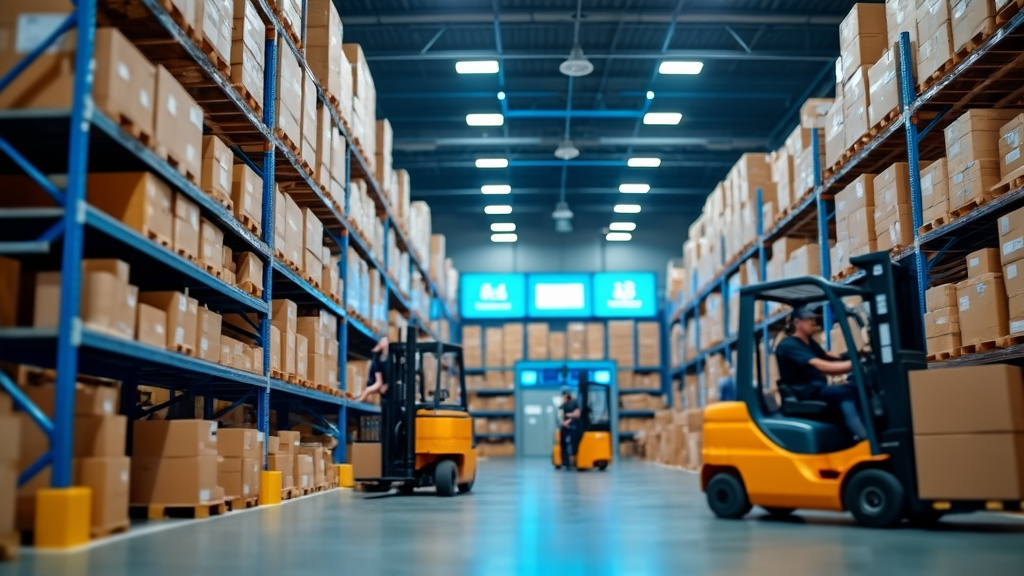
A wholesaler is an individual or organization that buys products in bulk from manufacturers and resells them to retailers, other businesses, or institutional users. Acting as intermediaries in the supply chain, wholesalers play a critical role by bridging the gap between producers and consumers, ensuring goods flow efficiently from manufacturers to end users.
Understanding the role of a wholesaler in the supply chain is crucial for grasping their impact on market dynamics. Wholesalers serve as a link between manufacturers who produce goods and retailers who sell these goods to end customers. By purchasing large quantities from manufacturers, wholesalers can provide smaller quantities to various retail outlets, making the supply chain more efficient and flexible.
There are different kinds of wholesalers operating in various market niches, each with a distinct business model:
Merchant wholesalers are independent firms that buy, take title to, and resell merchandise to retailers or other buyers. They are the most common type and typically own the products until they are sold. This business model allows them to earn profits by selling products at a markup, providing essential warehousing and distribution services.
Brokers and agents operate differently from merchant wholesalers. They don’t own inventory but instead facilitate sales transactions between manufacturers (sellers) and retailers (buyers). They earn a commission on each sale they arrange, functioning as intermediaries without the risk of holding inventory.
Manufacturers’ sales branches and offices act as wholesale outlets for their parent manufacturing companies. They stock inventory produced by their companies and distribute it among retailers. This model is particularly common in industries like automotive and electronics, where manufacturers want more control over their distribution.
Wholesalers provide multiple functions that enable the smooth operation of the supply chain, enhancing the efficiency of both manufacturers and retailers:
Wholesalers purchase products in large quantities directly from manufacturers and break them down into assortments required by their clients, such as retailers or industrial users. This bulk-breaking service saves retailers time and effort in sourcing and managing diverse products.
Wholesale traders store goods purchased from producers until they are sold to retail traders or industrial users. This warehousing function ensures consistent product availability, minimizing the risk of stockouts.
Many wholesalers offer transportation services to deliver purchases directly to a retailer’s place of business, ensuring timely and cost-effective delivery.
Wholesalers often extend credit facilities to retailers, enabling deferred payment plans that help retailers manage their cash flow better and maintain inventory without immediate payment.
The risk of damage or loss to stored goods, from the time of purchase to eventual resale, is assumed by wholesalers. This risk-bearing function provides peace of mind to both manufacturers and retailers, who can focus on production and sales, respectively.
Wholesalers provide valuable market intelligence on trends, competition, and product performance back to manufacturers, helping them adjust their strategies and products to better meet market needs.
Many wholesalers also offer training programs and advice for retailers on sales techniques, shop layouts, and inventory control methods, helping them improve their retail operations.
Wholesaling offers significant benefits at different stages of the supply chain:
Despite its advantages, wholesaling comes with its own set of challenges:
Technology is significantly transforming wholesale operations, leading to new efficiencies and opportunities:
The rise of e-commerce and online wholesaling enables buying and selling across geographical boundaries, expanding reach for both manufacturers and end buyers. Wholesalers now leverage digital platforms to streamline operations and reach a wider customer base.
Predictive analytics helps wholesalers anticipate demand patterns, facilitating better inventory management and reducing unnecessary stockpiling costs. Leveraging data analytics is key to improving efficiency and decision-making in wholesaling.
Emerging technologies like Artificial Intelligence (AI) and Internet of Things (IoT) are expected to reshape wholesaling. AI-powered chatbots streamline customer interactions, while IoT enables real-time inventory tracking, enhancing operational efficiency.
Wholesalers are essential in the supply chain, providing an efficient link between manufacturers and retailers. They offer significant benefits such as bulk breaking, financing, and market insights but also present challenges like increased costs and reduced control for manufacturers. As technology continues to reshape wholesale operations, embracing these changes will be crucial for staying competitive.
Bulk buying furniture is a strategic choice for businesses such as hotels, restaurants, offices, property developers, interior designers, and even
What is a Consumer? A consumer is any person or group that uses a good or service. Consumers are a